
7 Helpful Facts About Massage Therapy Clinical Hours
Massage therapy clinical hours depend on the school and the requirements that apply where you plan to practice. In California, the current CAMTC Policies and Procedures for Approval of Schools require a qualifying 500-hour curriculum to include at least 310 in-person supervised hours and at least 250 hours of hands-on massage. No more than 75 hours from a student clinic experience may be included within those 250 hands-on hours. At ICOHS College, the current Professional Massage Therapy curriculum contains 630 total clock hours, including 250 hours of massage lab instruction. This means massage therapy clinical hours may be distributed across several courses rather than completed through one separate internship.
Key Takeaways
- California’s current CAMTC school standards require at least 250 hours of hands-on massage within a qualifying 500-hour curriculum.
- Supervised practical work includes more than providing massage sessions to members of the public.
- You should compare CAMTC certification requirements with the complete graduation requirements of the school you are considering.
How Many Massage Therapy Clinical Hours Are Required?
For students pursuing CAMTC certification, the broader education benchmark is at least 500 supervised clock hours from an approved massage program. Current standards require at least 310 hours to take place in person, including 250 hours of practical massage training, 20 hours of anatomy and physiology lab, 10 hours of ethics, and 30 hours of additional approved subject matter. Required physical and cognitive assessments must also be completed in person. These categories show why massage therapy clinical hours are not defined only by time spent in a public clinic. A school may require more education than the minimum CAMTC certification requirements.
The official CAMTC requirements to certify explain that applicants must document at least 500 hours of massage education, including at least 100 hours in specified core subjects. These subjects include anatomy and physiology, contraindications, health and hygiene, and business and ethics. Completing the education requirement does not automatically result in certification because applicants must satisfy all other current CAMTC certification requirements. CAMTC certification is voluntary under California state law, although cities and counties may maintain separate local rules. You should verify the requirements that apply where you intend to practice.
What Counts as Practical Massage Training?
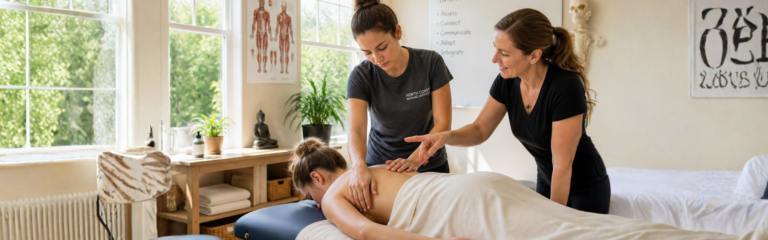
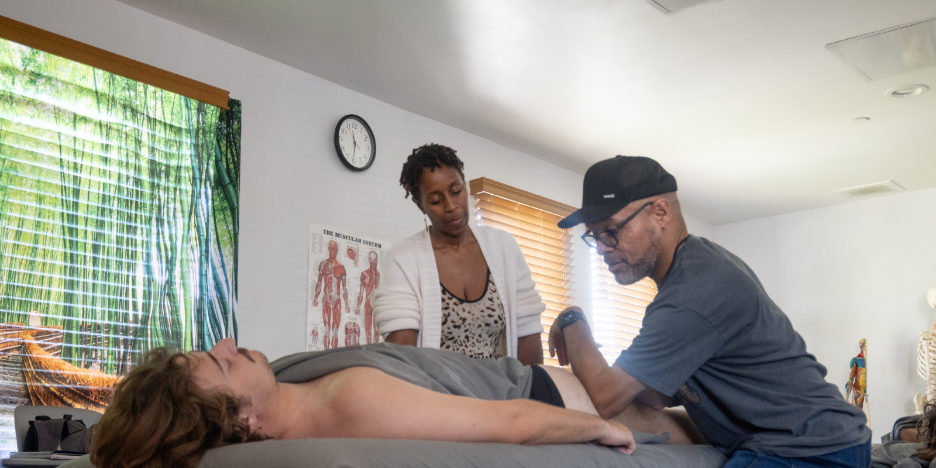
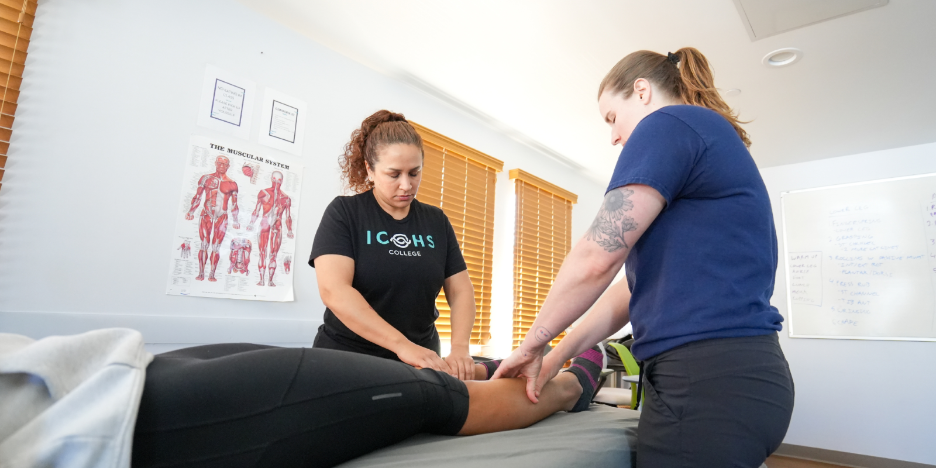
Practical massage training means active technique practice rather than reading, watching demonstrations, or completing independent homework. Under the current CAMTC school policies, hands-on practice generally involves one person performing instructed massage techniques while another receives the massage and provides feedback. The work may include client interviewing, assessment, draping, massage application, session planning, and delivery of an individualized massage. These activities must occur under the active and direct supervision of qualified instructors. Unsupervised practice completed outside class does not automatically count toward massage therapy clinical hours.
Programs may cover Swedish massage, deep-tissue methods, palpation, stretching, sports massage, or other modalities included in the approved curriculum. The exact combination depends on the school’s course sequence and educational objectives. The amount of hands-on laboratory instruction should show how techniques are demonstrated, practiced, corrected, and assessed. A program should also explain whether students mainly practice with classmates or participate in a structured clinic. These details help you compare massage therapy clinical hours more accurately.
Are Massage Lab Instruction and Clinic Hours the Same?
No. Massage lab instruction generally describes supervised classroom activities used to develop and evaluate practical skills. A student clinic experience generally involves providing massage to clinic participants within a structured educational setting. Current CAMTC policies allow a maximum of 75 student clinic hours to be counted within the required 250 hands-on hours. A school can therefore provide substantial supervised practice without requiring 250 hours of public clinic service. This distinction matters when comparing massage therapy clinical hours among programs.
| Training category | Current California reference point | General purpose |
| Total supervised curriculum | 500 hours minimum | Massage and related education |
| In-person supervised instruction | 310 hours minimum | Hands-on work, labs, ethics, and assessments |
| Hands-on massage | 250 hours minimum | Technique, draping, assessment, and session planning |
| Anatomy and physiology lab | 20 hours minimum | Applied anatomy and palpation |
| Student clinic | Up to 75 hours may count | Supervised educational work with clinic participants |
| Remaining approved instruction | At least 190 hours | In-person or synchronous distance learning in approved subjects |
A program may classify peer practice as laboratory instruction rather than clinic service. It may also distribute massage therapy clinical hours across anatomy, movement, foundational massage, and modality courses. The catalog should state how much massage lab instruction is assigned to each course. It should also explain whether a student clinic experience is included. Written curriculum details are more reliable than a general statement about hands-on learning.
How Are Massage Therapy Clinical Hours Divided Across Courses?
A current 630-hour curriculum offers a practical example of how hands-on education may be distributed. The 2026–2027 ICOHS College Catalog lists 250 hours of massage lab instruction across six courses: 55 hours in Fundamentals of Massage, 25 in Anatomy and Deep Tissue Palpation, 25 in Science of Movement, 60 in Western Modalities, 25 in Body Systems, and 60 in Sports Massage Modalities. Career Development contains 90 lecture hours and no lab hours. This course design combines supervised massage hours with anatomy, movement, modality instruction, and professional topics. The catalog identifies the program as available on campus or in a hybrid format and lists an approximate completion time of eight months.
| Example course | Total hours | Lecture hours | Lab hours |
| Fundamentals of Massage | 90 | 35 | 55 |
| Anatomy and Deep Tissue Palpation | 90 | 65 | 25 |
| Science of Movement | 90 | 65 | 25 |
| Western Modalities | 90 | 30 | 60 |
| Body Systems | 90 | 65 | 25 |
| Sports Massage Modalities | 90 | 30 | 60 |
| Career Development | 90 | 90 | 0 |
| Program total | 630 | 380 | 250 |
This breakdown shows that massage therapy clinical hours do not need to appear under a course called “clinic.” Some massage lab instruction focuses on techniques, while other practical activities emphasize palpation, movement, contraindications, or work with special populations. A student clinic experience may be only one part of the practical component. Students must complete the school’s full curriculum even when it exceeds the minimum CAMTC certification requirements. Confirm current program details in the school catalog and enrollment documents.
Must Massage Therapy Clinical Hours Be Completed in Person?
Most required practical work must be completed in person. CAMTC’s current school policies require a minimum of 310 in-person supervised massage hours, including the 250 hours of hands-on massage and all required physical and cognitive assessments. The remaining 190 hours may be completed through in-person or approved synchronous distance instruction in specified subjects. Synchronous instruction takes place live, allowing the instructor and students to interact in real time. Self-paced online coursework cannot replace required massage therapy clinical hours.
Independent sessions completed at home generally do not count as supervised massage hours unless they are delivered and documented under an approved instructional structure. Ask how instructors track attendance, practical assessments, and make-up work. Massage therapy clinical hours may also require students to bring linens, appropriate clothing, massage supplies, or other equipment. A hybrid format does not mean that the practical portion can be completed from any location. Confirm the physical attendance schedule before enrolling.
What Happens During a Student Clinic Experience?
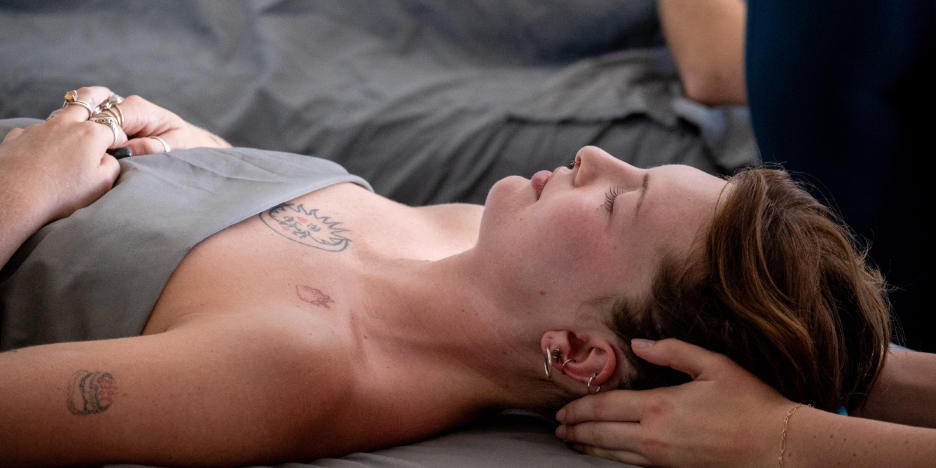
A student clinic experience may include intake, communication, draping, sanitation, session planning, technique application, documentation, and instructor feedback. Under current CAMTC policies, qualifying clinic activities must take place on school premises under the active and direct supervision of a qualified instructor. Schools must also maintain learning objectives, attendance records, procedures, and grading standards for clinic activities. These safeguards keep supervised massage hours connected to education rather than independent professional practice. Student clinic participation can form part of massage therapy clinical hours, but the counting limit remains 75 hours.
Clinic participation does not guarantee certification, employment, income, or a specific career result. Individual results vary. One program may use fewer clinic hours and more classroom laboratories, while another may combine peer practice with a structured clinic. Both formats should be described in the official curriculum. Compare the format with your learning needs and the applicable CAMTC certification requirements.
How Should You Compare Massage Therapy Clinical Hours?
Use written program documents rather than relying only on a webpage headline or brochure:
- Confirm the program’s total number of clock hours.
- Ask for the exact amount of massage lab instruction.
- Identify the number of hours assigned to practical massage training.
- Ask how supervised massage hours are observed and evaluated.
- Confirm whether a student clinic experience is required.
- Compare the curriculum with current CAMTC certification requirements.
- Review attendance, make-up work, transfer-credit, and completion policies.
This process shows whether massage therapy clinical hours are concentrated in a clinic or distributed across several laboratory courses. It also helps distinguish formal catalog terms from general marketing descriptions. Request the latest catalog, course schedule, and enrollment agreement. Confirm where practical instruction takes place and how attendance is recorded. Clear documentation provides the most reliable picture of the participation and time required.
Why Do Massage Therapy Clinical Hours Matter?
Massage therapy clinical hours connect anatomy, movement, ethics, and massage theory to applied skill development. Students may receive instructor feedback on body mechanics, positioning, draping, pressure, communication, and technique selection. Practical massage training also allows instructors to evaluate how students apply classroom concepts. Clinic activities may add experience with intake, sanitation, scheduling, and session documentation. These educational activities do not promise a particular certification, employment result, or income level.
The quality and structure of instruction matter alongside the total number of hours. Program materials should explain instructor supervision, assessment methods, safety procedures, and attendance expectations. CAMTC establishes minimum standards for approved curricula, but schools may organize their courses differently within those standards. The CAMTC applicant information page provides additional guidance on education and other application requirements. Outcomes vary by individual.
Conclusion: What Should You Remember About Massage Therapy Clinical Hours?
Massage therapy clinical hours include supervised hands-on education, laboratory instruction, and sometimes a limited amount of clinic experience. Current California standards for CAMTC-approved curricula include at least 500 supervised hours, 310 in-person hours, and 250 hours of hands-on massage. A maximum of 75 student clinic hours may be included within the hands-on total. Individual schools may require additional hours or organize their practical courses differently. Reviewing the supervised format and complete course breakdown will help you understand the actual commitment before enrollment.
Frequently Asked Questions
How many hands-on hours are required in a CAMTC-approved massage program?
The current CAMTC school standards require at least 250 hours of hands-on massage within the 500 supervised hours used to meet the education requirement. The broader certification process includes additional requirements, so completing a program does not guarantee certification.
Can clinic work count toward massage therapy education?
Yes. A maximum of 75 student clinic hours may count toward the required hands-on total when the activities meet CAMTC requirements for location, supervision, documentation, and educational purpose.
Can practical massage training be completed fully online?
No. The 250 hours of hands-on massage and required physical and cognitive assessments must be completed in person. Some approved theory instruction may occur through live, synchronous distance learning, but self-paced online coursework cannot replace required practical work.
ICOHS College programs
Associate Degree in Integrative Health