

When comparing sports massage vs deep tissue massage, the biggest difference is the goal of the session. Sports massage is often designed around movement, activity, recovery, and performance needs, while deep tissue massage focuses more on deeper layers of muscle tension, stiffness, and long-term discomfort.
Both styles can use firm pressure. Both may target tight muscles. However, the way each massage is planned, applied, and experienced can be very different.
In this guide, you will learn the main differences between sports massage vs deep tissue massage, when each may be helpful, and how to choose the right option based on your body, lifestyle, and goals.
What Is Sports Massage?
Sports massage is a type of massage that focuses on muscles used during physical activity. It is commonly associated with athletes, but it can also support active adults, weekend runners, gym-goers, dancers, cyclists, and people with physically demanding routines.
The goal of sports massage is not only relaxation. It may also support flexibility, mobility, muscle recovery, and body awareness. According to the American Massage Therapy Association, sports massage may support overall performance and recovery for competitive athletes and active individuals.
Sports massage can be used before activity, after activity, or during a regular wellness routine. The session may focus on a specific muscle group, movement pattern, or area of overuse.
Common Sports Massage Goals
Sports massage may be used to support:
- Muscle recovery after physical activity
- Flexibility and range of motion
- Reduced muscle soreness
- Preparation before an event
- Post-event recovery
- Areas affected by repetitive movement
This is why sports massage vs deep tissue massage is an important comparison. Sports massage is often more activity-focused, while deep tissue massage is usually more tension-focused.

What Is Deep Tissue Massage?
Deep tissue massage is a massage style that uses slow, firm pressure to target deeper layers of muscles and connective tissue. It is often used when a person feels chronic tightness, muscle knots, stiffness, or discomfort caused by posture, repetitive work, or physical stress.
Deep tissue massage does not always mean “hard pressure.” A trained massage therapist should adjust pressure based on comfort, tissue response, and client feedback.
The National Center for Complementary and Integrative Health explains that massage therapy involves manipulating soft tissues and may be used to help manage wellness or certain health-related concerns.
Common Deep Tissue Massage Goals
Deep tissue massage may be used to support:
- Reduced muscle tension
- Improved comfort in tight areas
- Relief from stiffness
- Better mobility
- Relaxation in overworked muscles
- Body awareness and posture support
When comparing sports massage vs deep tissue massage, deep tissue massage is usually less focused on athletic performance and more focused on releasing deeper tension patterns.
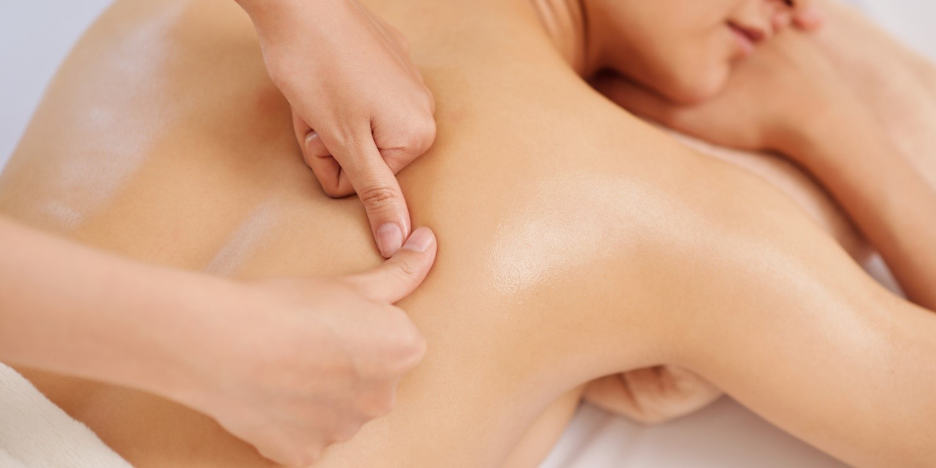
Sports Massage vs Deep Tissue Massage: Quick Comparison
| Category | Sports Massage | Deep Tissue Massage |
| Main Focus | Movement, activity, recovery, performance support | Deep muscle tension, stiffness, chronic tightness |
| Best For | Active people, athletes, gym-goers, runners, physically demanding routines | People with deeper muscle tightness, posture-related tension, stress-related stiffness |
| Pressure Level | Light to firm, depending on timing and goal | Usually firm and slow, but should stay tolerable |
| Session Style | Targeted, movement-based, goal-specific | Slow, focused, tension-release based |
| Techniques Used | Stretching, compression, friction, trigger point work, mobility-focused methods | Slow strokes, firm pressure, myofascial work, trigger point work |
| Timing | Before activity, after activity, or during training | As needed for tension, stiffness, or general body maintenance |
| Main Benefit | Supports active recovery and movement goals | Supports release of deeper muscle tension |
This table gives a simple answer to sports massage vs deep tissue massage: sports massage is usually connected to activity and recovery, while deep tissue massage is usually connected to deeper muscle tension.
1. Purpose: Activity Recovery vs Muscle Tension
The first major difference in sports massage vs deep tissue massage is purpose.
Sports massage is often used to support an active lifestyle. A therapist may ask about your sport, workout routine, movement habits, or recent activity. The session may focus on muscles that are heavily used during training or repetitive movement.
Deep tissue massage is often used when the body feels tight, heavy, or restricted. A therapist may focus on areas where deeper layers of muscle feel tense or overworked.
Simple Difference
- Choose sports massage when your goal is activity recovery or movement support.
- Choose deep tissue massage when your goal is deeper tension release.
Both massage therapy techniques can be helpful, but the best choice depends on your goal.
2. Technique: Movement-Based vs Pressure-Based
Sports massage may include stretching, compression, joint movement, friction, and targeted work on specific muscle groups. It may feel more active than a traditional massage because the therapist may ask you to move, stretch, breathe, or give feedback.
Deep tissue massage usually uses slower strokes and sustained pressure. The therapist may work gradually through layers of muscle to address deeper tension.
This is where sports massage vs deep tissue massage can feel very different during the session. Sports massage may feel more dynamic. Deep tissue massage may feel slower and more focused.
Massage Therapy Techniques Used in Both
Both styles may include:
- Trigger point work
- Myofascial release
- Compression
- Friction
- Stretching
- Firm pressure
The difference is not always the technique itself. The difference is how the massage therapy techniques are used.
3. Pressure: Firm Does Not Always Mean Better
Many people think sports massage vs deep tissue massage is only about pressure. That is not true.
Sports massage can be light, moderate, or firm depending on the timing and goal. For example, a pre-event sports massage may be lighter and faster, while a recovery session may include deeper work.
Deep tissue massage is often firm, but it should not feel unbearable. Stronger pressure does not automatically mean a better result. A skilled therapist should work within your comfort level.
Helpful Pressure Tip
During either massage, speak up if the pressure feels too intense. Discomfort may happen, but sharp pain or overwhelming pressure is not the goal.
4. Best Uses for Sports Massage
The sports massage benefits are most connected to activity, movement, and recovery. This does not mean you need to be a professional athlete. Many people choose sports massage because they exercise regularly or have movement-related tension.
Sports Massage May Be Helpful For:
- Runners with tight calves or hips
- Weightlifters with shoulder or back tension
- Cyclists with tight hip flexors
- Dancers with leg or foot fatigue
- Active workers with repetitive movement patterns
- Weekend athletes preparing for or recovering from activity
The main sports massage benefits include support for flexibility, muscle recovery, and movement comfort. Sports massage may also help you become more aware of how your body responds to activity.
When looking at sports massage vs deep tissue massage, sports massage is often the better fit when the tension is connected to exercise, training, or repeated movement.
5. Best Uses for Deep Tissue Massage
The deep tissue massage benefits are most connected to deeper muscle tension and long-term stiffness. This style may be helpful for people who feel tight from sitting, standing, lifting, stress, or repetitive work.
Deep Tissue Massage May Be Helpful For:
- Neck and shoulder tightness
- Upper back tension
- Lower back stiffness
- Hip or glute tightness
- Posture-related discomfort
- Long-term muscle tension
The main deep tissue massage benefits include support for relaxation in tight muscles, improved comfort, and reduced stiffness. It may also help people who feel like lighter massage does not address their deeper tension.
When comparing sports massage vs deep tissue massage, deep tissue massage is often the better fit when you want slow, focused work on chronic tightness.
6. Timing: Before Activity vs Ongoing Maintenance
Timing is another key difference in sports massage vs deep tissue massage.
Sports massage may be planned around activity. Some people schedule it before an event, after an event, or during a training cycle. The timing can affect the pressure, pace, and technique used.
Deep tissue massage is usually scheduled as part of general body maintenance. It does not need to be tied to a workout, event, or sport.
Common Timing Examples
| Goal | Better Fit |
| Before a race or event | Sports massage |
| After intense activity | Sports massage |
| Chronic shoulder tension | Deep tissue massage |
| Long-term back stiffness | Deep tissue massage |
| Recovery during training | Sports massage |
| General deep muscle tightness | Deep tissue massage |
This makes sports massage vs deep tissue massage easier to understand. Sports massage is often scheduled around activity. Deep tissue massage is often scheduled around tension.
7. Choosing the Right Massage for You
The best choice depends on your body, goals, and comfort level.
Choose sports massage if you want support for movement, recovery, flexibility, or activity-related muscle tension. This may be a good fit if you are active, training, or dealing with repeated movement patterns.
Choose deep tissue massage if you want focused work on deeper muscle tightness, stiffness, or long-term tension. This may be a good fit if you have areas that feel persistently tight or overworked.
Ask Yourself These Questions
- Is my tension connected to exercise or activity?
- Do I want help with recovery after movement?
- Do I have chronic tightness from posture or stress?
- Do I prefer active stretching or slow pressure?
- Am I preparing for an event or recovering after one?
Your answers can help guide the sports massage vs deep tissue massage decision.
Sports Massage vs Deep Tissue Massage: Which Is Better?
There is no single “better” option. The better choice depends on what you need.
If your goal is recovery, mobility, and activity support, sports massage may be better. If your goal is deeper tension release and focused pressure, deep tissue massage may be better.
In many cases, a massage therapist may combine both massage therapy techniques in one session. For example, they may use sports massage methods for the legs and deep tissue massage for the upper back.
That is why sports massage vs deep tissue massage is not always an either-or choice. The right session can be customized to your goals.
Safety and Communication Tips
Massage should be comfortable, respectful, and adapted to you. If you have an injury, medical condition, recent surgery, or unexplained pain, speak with a qualified healthcare provider before booking a massage.
You should also tell your massage therapist about:
- Recent injuries
- Areas to avoid
- Pressure preferences
- Current pain or discomfort
- Physical activity level
- Health concerns that may affect the session
Good communication helps your therapist choose the right massage therapy techniques and pressure level.
Conclusion: Sports Massage vs Deep Tissue Massage
The main difference between sports massage vs deep tissue massage is the purpose of the session. Sports massage is usually focused on movement, performance support, and recovery. Deep tissue massage is usually focused on deeper muscle tension, stiffness, and long-term tightness.
Both can be useful. Both can use firm pressure. Both can support comfort and mobility when performed by a trained professional.
If you are active or training, sports massage may be a better fit. If you are dealing with chronic tightness or deeper muscle tension, deep tissue massage may be a better option. The best choice is the one that matches your body, goals, and comfort level.
FAQs
What is the main difference between sports massage vs deep tissue massage?
The main difference is the goal. Sports massage focuses on movement, activity recovery, and performance support. Deep tissue massage focuses on deeper muscle tension, stiffness, and long-term tightness.
Is sports massage only for athletes?
No. Sports massage is often used by athletes, but it can also be helpful for active adults, gym-goers, runners, dancers, cyclists, and people with physically demanding routines.
Is deep tissue massage painful?
Deep tissue massage may feel intense, but it should not feel unbearable. You should always communicate with your massage therapist if the pressure feels too strong.
Which is better for muscle recovery?
Sports massage is often used for muscle recovery after physical activity. However, deep tissue massage may also support recovery when deeper tension is present.
Which is better for chronic tightness?
Deep tissue massage may be a better fit for chronic tightness, stiffness, or deeper muscle tension. A massage therapist can help determine the right approach based on your needs.
Can sports massage include deep tissue techniques?
Yes. Sports massage can include deep tissue techniques, stretching, compression, trigger point work, and other massage therapy techniques depending on your goals.
How do I know which massage to choose?
Choose sports massage if your goal is activity recovery or movement support. Choose deep tissue massage if your goal is deeper tension release. If you are unsure, explain your goals to a trained massage therapist before the session.
ICOHS College Program
Get Your Certification in 8 months : Professional Massage Therapist
Related Blogs
7 Smart Massage Therapist Career Paths You Can Pursue in 2026