
Vocational training careers can be a practical path for students who want focused education, hands-on training, and career-ready skills. Instead of spending years in a traditional academic route, vocational programs are often designed to help students develop specific abilities for real-world roles in industries such as healthcare, technology, wellness, business, and skilled trades.
The best vocational training careers are usually connected to industries that need trained workers, value practical experience, and offer different entry points depending on your background. Through career training programs, students may build technical skills, professional confidence, and a clearer direction for their future.
Outcomes vary by individual, and no program can guarantee employment. However, vocational training careers may help students prepare to pursue roles that match their interests, strengths, and goals.
What Are Vocational Training Careers?
Vocational training careers are career paths that typically require practical, skill-based education instead of a traditional four-year degree. These careers often focus on specific job functions, technical abilities, and workplace readiness.
According to the U.S. Bureau of Labor Statistics Occupational Outlook Handbook, career information can be explored by occupation, training level, pay, and job outlook, making it a helpful resource for students researching possible career paths.
Vocational training careers may include roles in:
- Healthcare support
- Information technology
- Business administration
- Integrative health
- Massage therapy
- Network support
- Cybersecurity support
- Skilled trades
- Administrative support
Many career training programs are designed around hands-on training, which allows students to practice skills they may use in professional settings.
Why Choose Vocational Training Careers?
Vocational training careers appeal to students who want a focused, practical education. These programs may be especially helpful for people who want to change careers, enter the workforce, or build new skills without committing to a longer academic timeline.
The U.S. Department of Labor notes that CareerOneStop is a resource for career exploration, training, job search, local help, and other employment resources.
Students may choose vocational training careers because they often offer:
- A focused learning path
- Practical skill development
- Hands-on training
- Career-focused coursework
- A clearer connection between education and workplace tasks
- Options across several industries
Vocational training careers are not one-size-fits-all. The right path depends on your interests, schedule, learning style, and long-term goals.
1. Healthcare Support Careers
Healthcare careers are among the most recognized vocational training careers because many healthcare roles require practical skills, patient care knowledge, and professional communication. Students interested in helping others may find healthcare support a meaningful direction.
Healthcare support occupations include roles that assist patients, providers, and medical teams. The BLS notes that healthcare support occupations include positions such as home health and personal care aides, medical transcriptionists, and occupational therapy assistants.
Through healthcare-focused career training programs, students may develop skills in:
- Patient communication
- Medical terminology
- Safety procedures
- Administrative support
- Basic care support
- Professional ethics
Graduates may pursue roles such as medical office support, healthcare assistant, or related entry-level support positions, depending on the program completed and employer requirements. Outcomes vary by individual.

2. Information Technology Careers
Information technology careers are strong options for students who enjoy computers, problem-solving, systems, and technical support. These vocational training careers may include pathways related to networking, cybersecurity support, help desk support, and computer systems.
Information technology careers often require a mix of technical knowledge and communication skills. Students may need to explain technical issues clearly, troubleshoot systems, and support users in professional environments.
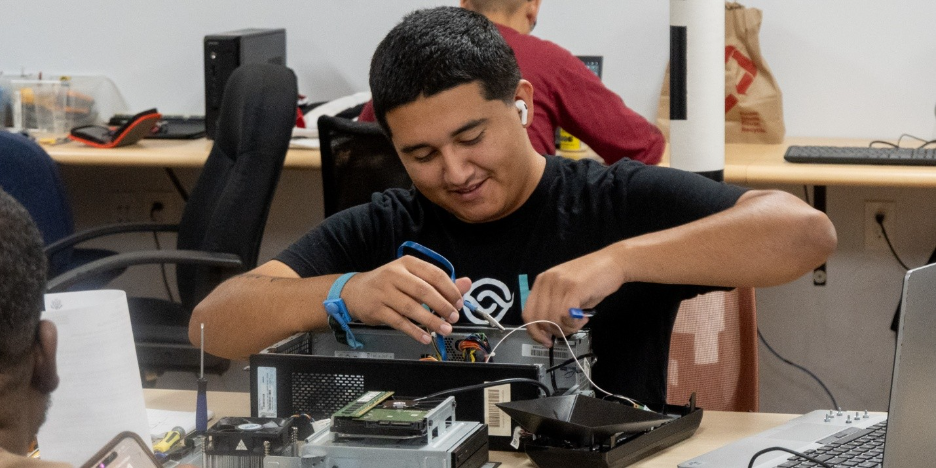
Career training programs in IT may include hands-on training in:
- Computer hardware
- Operating systems
- Network basics
- Cybersecurity fundamentals
- Troubleshooting
- Technical documentation
Students interested in information technology careers may pursue roles such as IT support specialist, network support technician, help desk technician, or related entry-level technology positions, depending on training, certifications, experience, and employer needs.
3. Network Support Careers
Network support is one of the most practical vocational training careers for students who want to understand how organizations stay connected. Networks support email, cloud systems, business software, online communication, and everyday operations.
Students in network-focused career training programs may learn how computer networks are built, maintained, and protected. This type of hands-on training can help students understand real workplace technology systems.
Network support training may include:
- Network configuration
- Hardware setup
- Troubleshooting tools
- Internet protocols
- Security basics
- Customer support skills
Graduates may pursue roles such as network support technician, junior network technician, IT support assistant, or related entry-level positions. Outcomes vary by individual, and requirements differ by employer.
4. Cybersecurity Support Careers
Cybersecurity support is a growing area within information technology careers. Organizations rely on trained professionals to help protect systems, data, and users from security risks.
Cybersecurity-related vocational training careers may be a good fit for students who enjoy detail-oriented work, problem-solving, and technology. These roles may require continuous learning because security tools and risks change over time.
Career training programs may introduce students to:
- Security awareness
- Common cyber threats
- Risk identification
- Basic network defense
- Password and access practices
- Incident response concepts
Students may pursue entry-level support roles related to cybersecurity, IT support, or network monitoring, depending on the program, certifications, and employer requirements.
5. Massage Therapy Careers
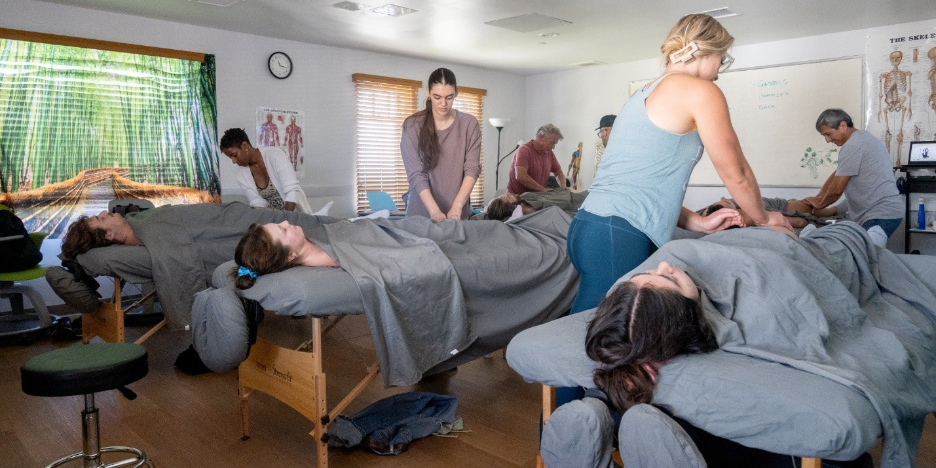
Massage therapy can be a rewarding path for students interested in wellness, bodywork, and client-centered care. These vocational training careers usually require hands-on training because students need to practice techniques, body mechanics, safety procedures, and professional communication.
Massage therapy programs may help students develop skills in:
- Anatomy and physiology
- Massage techniques
- Client assessment
- Professional boundaries
- Wellness communication
- Practice management basics
Graduates may pursue roles in spas, wellness centers, clinics, fitness settings, or private practice environments, depending on licensure requirements and state regulations. Licensing requirements vary by location, so students should review current state requirements before choosing a program.
6. Integrative Health Careers
Integrative health careers may appeal to students who are interested in wellness, prevention, lifestyle education, and whole-person support. These vocational training careers often focus on helping students understand wellness from multiple perspectives.
Programs in integrative health may include coursework in:
- Wellness principles
- Nutrition foundations
- Stress management concepts
- Mind-body practices
- Client communication
- Health education basics
Students may pursue wellness-related support roles, health education support roles, or complementary wellness pathways, depending on the program, additional credentials, and employer expectations. Outcomes vary by individual.
7. Business Administration Careers
Business administration is one of the most flexible vocational training careers because nearly every organization needs people who understand operations, communication, organization, and customer service.
Career training programs in business may help students develop practical workplace skills that can apply across industries. This may be a good path for students who enjoy planning, organizing information, supporting teams, and solving everyday business problems.
Business training may include:
- Office communication
- Business software
- Customer service
- Scheduling
- Records management
- Professional writing
- Basic project coordination
Graduates may pursue roles such as administrative assistant, office support specialist, customer service representative, or business support assistant, depending on experience and employer requirements.
8. Skilled Trade Careers
Trade school careers are often associated with practical work, technical skill, and hands-on training. These vocational training careers may include areas such as electrical work, HVAC, automotive technology, plumbing, construction, or other skilled fields.
Trade school careers may be a good fit for students who prefer active learning and practical problem-solving. Many skilled trades require technical knowledge, safety awareness, and the ability to work with tools, systems, or equipment.
Training may include:
- Safety procedures
- Technical tools
- Equipment use
- Blueprint or system basics
- Repair methods
- Workplace communication
Students interested in trade school careers should review licensing, apprenticeship, and certification requirements in their state or industry.
9. Medical Office and Administrative Healthcare Careers
Medical office careers combine healthcare knowledge with administrative skills. These vocational training careers may be a strong fit for students who want to work in healthcare settings but prefer office, coordination, or patient-service responsibilities.
Career training programs may include:
- Medical terminology
- Appointment scheduling
- Patient records
- Billing basics
- Office communication
- Privacy and professionalism
Graduates may pursue medical office assistant, healthcare administrative assistant, front-office support, or related roles depending on training and employer requirements.
Vocational Training Careers Comparison Table
| Career Path | Good Fit For Students Who Like | Common Training Focus |
| Healthcare support | Helping people and working in care settings | Patient support, safety, communication |
| Information technology careers | Computers and troubleshooting | Hardware, systems, networks |
| Network support | Connectivity and technical systems | Networking, configuration, troubleshooting |
| Cybersecurity support | Security and problem-solving | Threats, protection, monitoring basics |
| Massage therapy | Wellness and hands-on client care | Anatomy, techniques, ethics |
| Integrative health | Whole-person wellness | Health education, lifestyle support |
| Business administration | Organization and communication | Office systems, customer service |
| Skilled trades | Practical work and tools | Safety, equipment, technical skills |
| Medical office support | Healthcare and administration | Records, scheduling, terminology |
How to Choose the Best Vocational Training Careers for You
Choosing among vocational training careers starts with understanding your strengths, interests, and preferred work environment. A career path that works well for one student may not be the best fit for another.
Before enrolling in career training programs, ask yourself:
- Do I prefer working with people, technology, tools, or information?
- Do I enjoy hands-on training or classroom-based learning?
- What schedule works best for me?
- What credentials or licenses may be required?
- What types of employers hire for this path?
- Does this career align with my long-term goals?
CareerOneStop, sponsored by the U.S. Department of Labor, offers tools for career information, training research, and job-search planning.
Benefits of Career Training Programs
Career training programs may help students develop focused skills for specific industries. Unlike broad academic programs, vocational education often emphasizes practical preparation.
Potential benefits include:
- Focused coursework
- Hands-on training
- Industry-relevant skills
- Shorter educational pathways than some traditional degrees
- Career-focused support
- Exposure to real workplace tools and expectations
These benefits do not guarantee employment or income. However, they may help students prepare for opportunities that match their training and goals.
What to Look for in a Vocational Training Program
Not all programs are the same. When comparing vocational training careers and schools, students should review each program carefully.
Look for:
- Clear program descriptions
- Transparent tuition and fees
- Student support services
- Hands-on training opportunities
- Career services
- Qualified instructors
- Current curriculum
- Licensing or certification preparation, when applicable
Students should also ask whether financial aid is available to those who qualify. Avoid assuming that aid is guaranteed or that it will cover all costs.
Conclusion
Vocational training careers can give students a focused way to build practical skills and explore meaningful career paths. From healthcare careers and information technology careers to trade school careers, massage therapy, wellness, and business administration, there are many directions to consider.
The best path depends on your goals, strengths, schedule, and interests. Career training programs may help you develop hands-on training and professional skills that support your next step.
Vocational training careers are not about choosing one perfect path forever. They are about choosing a practical starting point, building confidence, and preparing for opportunities that fit your future. Outcomes vary by individual.
FAQs
What are vocational training careers?
Vocational training careers are career paths that usually require focused, hands-on training for a specific field or job function. They may include healthcare support, information technology careers, trade school careers, massage therapy, business administration, and wellness-related roles.
Are vocational training careers a good option?
Vocational training careers may be a good option for students who want practical skills, focused education, and a clearer connection between training and workplace tasks. The best choice depends on your goals, interests, and employer requirements.
What are examples of career training programs?
Examples of career training programs may include healthcare support, IT support, network support, cybersecurity fundamentals, massage therapy, business administration, integrative health, and skilled trade programs.
Can vocational training careers lead to healthcare careers?
Yes, some vocational training careers may help students prepare to pursue healthcare careers or healthcare support roles. Possible paths may include medical office support, healthcare administration support, patient care support, or related entry-level roles, depending on the program and employer requirements.
Do vocational programs include hands-on training?
Many vocational programs include hands-on training because students often need to practice real-world skills. Hands-on training may involve labs, simulations, equipment use, client-care practice, technical troubleshooting, or workplace-style projects.
Are trade school careers the same as vocational training careers?
Trade school careers are a type of vocational training career. They often focus on skilled trades such as electrical work, HVAC, automotive technology, construction, plumbing, or other hands-on technical fields.
Can vocational training help with information technology careers?
Yes, some career training programs may help students build foundational skills for information technology careers. Training may include computer systems, networking, cybersecurity basics, troubleshooting, and technical support.
ICOHS College Programs that lead to career!
Related Articles
Career Change at 30, 40, or 50: 7 Honest Truths (Is It Too Late?)